Fleet Audit
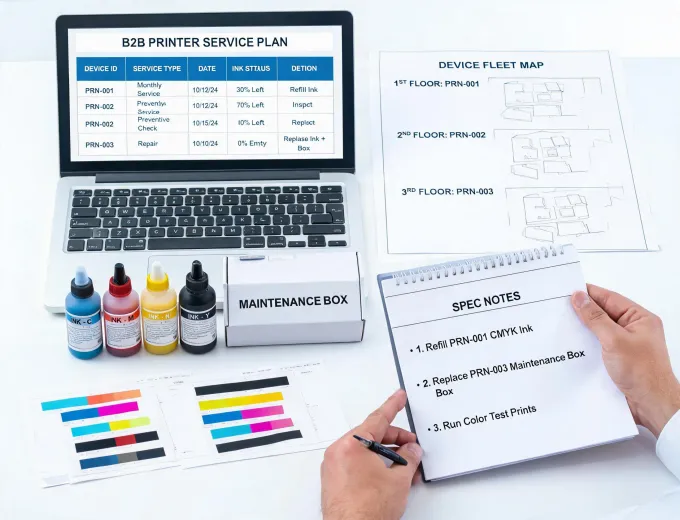
Device count, usage peaks, paper formats, ink coverage, and driver dependencies are documented by site and user group.

Evidence-led printer, imaging and consumables programs
Epson Printer supports B2B printer buyers through discovery, testing, documentation, rollout, and replenishment. The service model is intentionally precise because printer decisions touch IT, finance, facilities, teachers, operators, creative teams, and sustainability reviewers at the same time.
Before recommending a device class or consumable program, the service desk maps monthly page volume, media weight, ink coverage, label dimensions, duty cycle, connectivity, driver environment, operator skill level, and service response expectations. That information becomes a shared specification file that purchasing can attach to an RFP or supplier comparison.
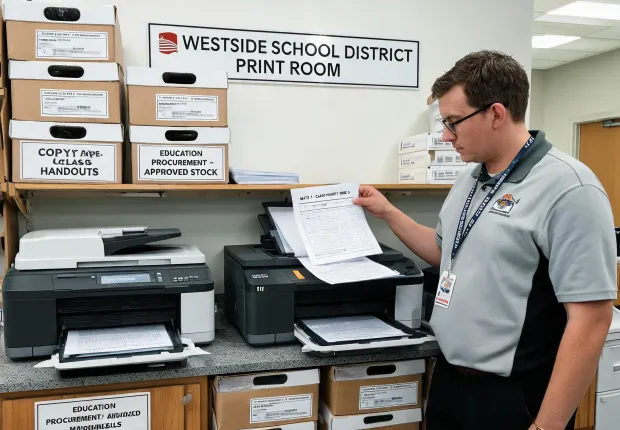
A district buyer often needs predictable output during enrollment, exam preparation, and classroom packet cycles. The service team builds separate assumptions for administrative documents, teacher handouts, photo-rich learning materials, and student-facing labels. The output is a device and consumable map that helps schools avoid under-specified printers while keeping support simple for nontechnical staff.
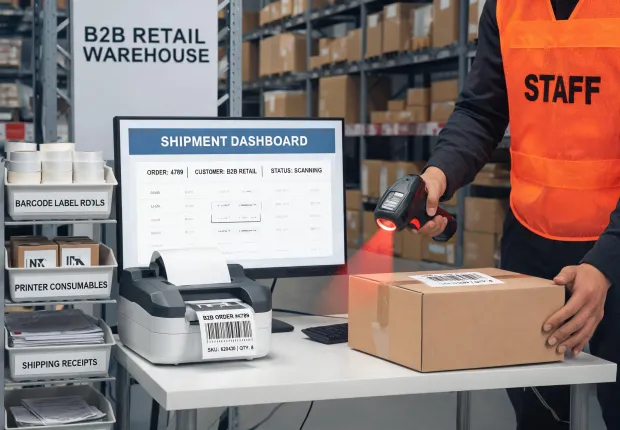
Label workflows fail when media, adhesive, driver settings, and operator routines are treated separately. Epson Printer reviews label size, barcode density, printer placement, cleaning intervals, and backup stock rules together. The resulting support file helps operations teams keep receipts, shelf tags, carton labels, and return labels consistent across high-turnover sites.
The review is useful for new fleet rollouts, printer replacement programs, ink cost reviews, label printer standardization, and support escalations where teams need a documented technical baseline.